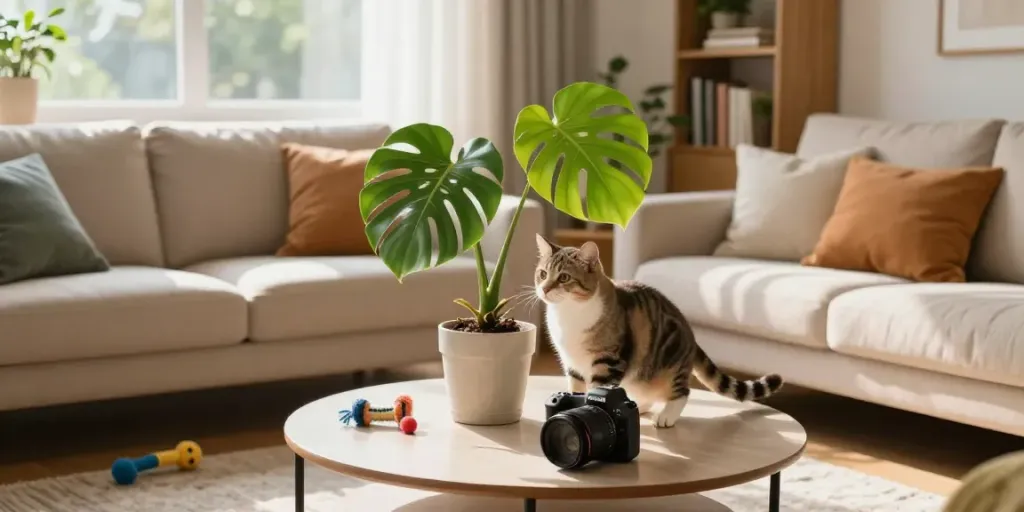
Understanding Monstera Toxicity in Cats
When it comes to creating a safe home environment for our feline companions, understanding the plants we keep is essential. One plant that has gained popularity for its unique aesthetic is the Monstera, commonly known as the Swiss Cheese plant due to its distinct leaf patterns. However, pet owners often find themselves asking, are Monstera plants and cats compatible? In this article, we'll explore the toxicity of Monstera plants to cats, identify symptoms to watch for after ingestion, and provide guidance on ensuring a safe living space for both cats and plants.
What Makes Monstera Plants Toxic to Cats?
Monstera plants contain insoluble calcium oxalate crystals that become sharp and needle-like when the plant tissue is damaged. These crystals are a defense mechanism for the plant, and while they serve to protect it from herbivores, they pose a significant risk to curious cats who might chew on the leaves or stems. When ingested, these crystals can cause immediate irritation and pain, leading to various symptoms that can affect a cat's overall health.
Symptoms of Monstera Ingestion in Cats
- Drooling: Excessive saliva production is often one of the first signs.
- Pawing at the Mouth: Cats may try to relieve discomfort by pawing at their mouths.
- Vomiting: If plant material reaches the stomach, vomiting may occur.
- Swelling: Localized swelling in the mouth and throat can lead to difficulty swallowing.
- Lethargy: Affected cats may appear more tired than usual.
Signs of Monstera Poisoning to Watch For
Immediate Symptoms After Exposure
Signs of Monstera poisoning can appear rapidly after ingestion, typically within minutes. The immediate symptoms will largely revolve around oral discomfort. Affected cats may show signs of distress such as crying, meowing more than usual, or attempting to escape from the situation. If you observe any of these behaviors after the ingestion of a Monstera plant, it is important to take action quickly.
Long-term Effects of Monstera Consumption
While most cases of Monstera ingestion result in mild to moderate symptoms that resolve with appropriate care, it's essential to monitor your cat closely. Long-term effects are rare but can occur if significant amounts are consumed or if the cat has pre-existing health conditions that complicate recovery.
When to Seek Veterinary Care for Your Cat
If your cat exhibits severe reactions such as difficulty breathing, persistent vomiting, or extreme lethargy, it is crucial to seek veterinary care immediately. Timely intervention can often prevent more severe complications and ensure a better prognosis for your feline friend.
First Aid Steps if Your Cat Chews on Monstera
Initial Actions to Take
If you suspect that your cat has ingested part of a Monstera plant, follow these first aid steps:
- Immediately remove the cat from the vicinity of the plant to prevent further ingestion.
- Examine your cat’s mouth for any visible plant material and signs of irritation.
- If possible, rinse your cat's mouth gently with water to help remove any remaining plant material.
- Observe your cat closely for any worsening symptoms and consult your veterinarian if needed.
Home Remedies for Mild Reactions
In cases where a cat has only consumed a small amount and is not showing severe symptoms, you can monitor them at home. Providing fresh water is vital to help them stay hydrated, and ensuring that your cat remains calm and comfortable can support their recovery.
Key Information to Provide to Your Veterinarian
When contacting your veterinarian, be prepared to provide specific information including the type of plant ingested, the estimated amount, the time of exposure, and any symptoms observed. This information can greatly assist in determining the best course of action for your pet's health.
Creating a Safe Environment for Cats and Monstera Plants
Best Placement Practices for Monstera
To minimize risks, placing Monstera plants in inaccessible areas can significantly reduce exposure. High shelves or hanging baskets can keep these beautiful plants out of reach of curious cats.
Deterrent Strategies to Keep Cats Away
Using deterrents such as citrus scents, which cats generally dislike, or physical barriers like decorative rocks around the base of the plant can help deter your cat from approaching the plant too closely.
Alternative Cat-Friendly Plants to Consider
If you're concerned about the safety of your cat around Monstera plants, consider using alternatives that offer a similar aesthetic without the toxicity risks, such as:
- Calathea
- Areca Palms
- Parlor Palms
- Ponytail Palm
Misinformation and Myths Surrounding Monstera and Cats
Debunking Common Myths About Plant Toxicity
Many misconceptions exist regarding the safety of houseplants. One common belief is that plants higher up in a room are safe. However, an adventurous cat can reach most areas, so placement alone doesn't guarantee safety.
Understanding Allergies vs. Toxic Reactions in Cats
It’s also important to distinguish between allergies and toxic reactions. While some cats may be sensitive to plant material, the primary risk from Monstera stems from physical irritation caused by calcium oxalate crystals, not an immune response.
How to Educate Other Cat Owners About Plant Safety
Sharing information with fellow cat owners is vital for promoting safety in pet-friendly homes. Consider discussing plant toxicity, symptoms to watch for, and safe alternatives to commonly kept houseplants.
Can Cats and Monstera Coexist Peacefully?
What to Do If Your Cat Shows Interest in Monstera?
If your cat displays a keen interest in chewing on your Monstera plant, it may be necessary to reassess your plant placement or incorporate additional deterrent methods to protect both your cat and the plant.
Exploring Other Safe Houseplants for Cat Owners
For those who love the lush, tropical look of Monstera but want to ensure the safety of their cats, several houseplants mimic this aesthetic without the associated risks. Researching and investing in these alternatives can enhance your living space while keeping your furry friends safe.