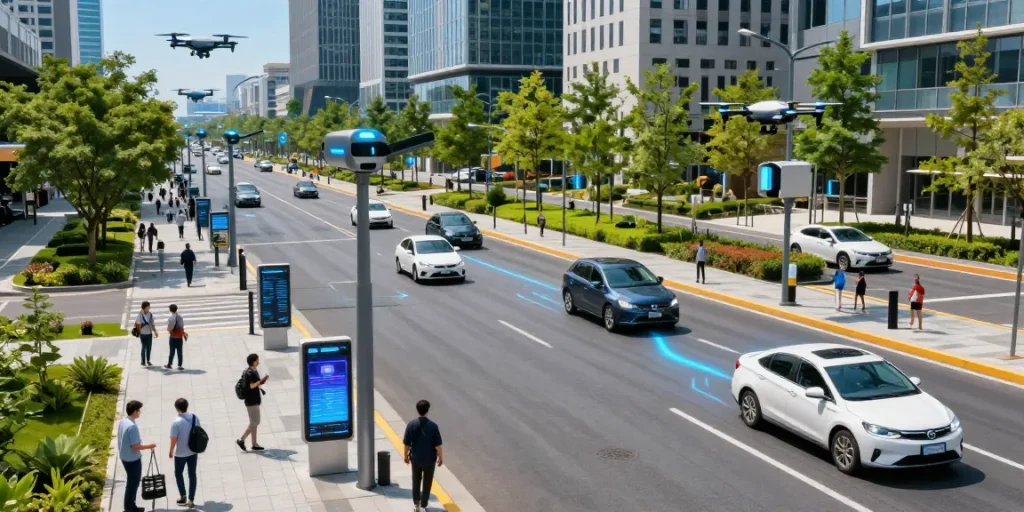

Understanding IoT and Its Core Benefits
The Internet of Things (IoT) has emerged as a transformative force across various industries, revolutionizing the way organizations operate, enhance customer experiences, and optimize resource management. By interconnecting devices and systems, IoT allows for seamless data exchange and communication, significantly driving efficiency and innovation. Understanding the benefits of IoT is crucial for businesses aiming to thrive in a competitive landscape. For insights into these advantages, What are the benefits of IoT is a resourceful query that businesses should explore in depth.
What is IoT and How Does It Work?
The Internet of Things (IoT) encompasses a network of physical devices embedded with sensors, software, and other technologies that enable them to connect and exchange data over the internet. This connectivity allows for real-time data analysis and the automation of various processes. IoT systems typically comprise devices like sensors, smart appliances, wearables, and vehicles, all communicating with each other through a centralized hub or cloud infrastructure.
At the core of IoT functionality is data collection and processing. Devices gather data from their environments, which is sent to the cloud for analysis. The analyzed data can then inform decisions, trigger actions, or provide insights into user behavior. This ecosystem not only enhances operational efficiencies but also fosters innovation by enabling new business models and services.
Key Benefits of IoT Across Industries
IoT offers a wealth of benefits that vary across different sectors. Some of the most notable advantages include:
- Enhanced Operational Efficiency: Automating routine tasks and providing real-time insights allow businesses to streamline operations and reduce waste.
- Improved Decision-Making: Access to real-time data enables companies to make informed decisions quickly, adapting to market changes and consumer preferences.
- Cost Savings: By optimizing resources and reducing energy consumption, IoT can lead to significant cost reductions.
- Better Customer Experiences: Gathering data on customer preferences and behaviors helps businesses offer personalized experiences and improve service delivery.
- Increased Safety and Security: Monitoring systems and integrating security devices help detect threats and mitigate risks in real time.
How IoT Enhances Efficiency and Reduces Costs?
One of IoT’s primary benefits is its ability to enhance efficiency and reduce operational costs. For instance, in manufacturing, IoT sensors can monitor equipment health and predict failures before they occur, leading to proactive maintenance scheduling. This predictive maintenance reduces downtime, lowers repair costs, and extends the lifespan of machinery.
Additionally, IoT-enabled supply chain management can optimize inventory levels and logistics. By tracking shipments in real-time, companies can minimize delays and enhance inventory turnover, reducing holding costs and improving cash flow.
Implementing IoT Solutions: Steps and Strategies
Adopting IoT solutions can seem daunting for businesses, but with a structured approach, this transition can be both manageable and rewarding. Here are key steps to consider:
Assessing Your Business Needs for IoT
The first step in any IoT implementation is to assess your business needs. Identify specific problems that IoT can solve, such as improving efficiency, enhancing customer service, or reducing costs. Gathering input from stakeholders across departments can provide a clearer picture of how IoT can benefit your organization.
Choosing the Right IoT Devices and Software
Once the needs are identified, selecting the right IoT devices and platforms is crucial. Evaluate the scalability, compatibility, and security features of potential devices. It’s also important to choose software that can integrate smoothly with existing systems and facilitate easy data management.
Integrating IoT with Current Systems
Successful IoT implementation requires full integration with current business systems. This process often involves customizing APIs and ensuring that data flows smoothly between devices and software applications. Effective training and change management strategies should accompany this process to ensure user adoption and minimize resistance.
Challenges of IoT Adoption
Despite its benefits, adopting IoT technologies comes with challenges. Understanding these hurdles is essential for effective implementation.
Common Misconceptions About IoT Technologies
Many businesses harbor misconceptions about IoT that can hinder adoption. One common belief is that IoT is too complex and expensive for small to mid-sized enterprises (SMEs). However, scalable IoT solutions exist that cater to varying budgets, making them accessible for organizations of all sizes. Another misconception is that IoT is only useful for tech-heavy industries; however, nearly every sector, from agriculture to healthcare, can benefit from IoT.
Security Risks and Mitigation Strategies
As IoT devices proliferate, they also expand the attack surface for cyber threats. Security breaches can lead to data leaks and jeopardize business operations. Organizations must prioritize security by implementing robust cybersecurity protocols, such as encryption, regular software updates, and secure access controls. Moreover, education and awareness training for employees about potential threats are crucial in creating a security-first culture.
Overcoming Technical and Financial Barriers
Challenges related to technology and finances can impede IoT adoption. Businesses should explore partnerships with IoT service providers that offer financing options or pilot programs. Additionally, leveraging existing technology infrastructure and gradually scaling IoT initiatives can minimize investment risks and ensure a smoother transition.
Real-World Examples of Successful IoT Implementation
To illustrate the tangible benefits of IoT, here are some compelling case studies across various industries.
Case Studies from Various Industries
In the retail sector, a fashion retailer successfully implemented IoT-enabled inventory management systems. By using RFID tags on products, they achieved real-time visibility into stock levels, leading to a 20% reduction in out-of-stock instances and enhanced customer satisfaction.
In agriculture, IoT applications have transformed farming practices through precision agriculture. Smart sensors monitor soil moisture levels and crop health, enabling farmers to optimize irrigation and fertilization, resulting in increased yields and reduced resource consumption.
Impact of IoT on Business Operations
The integration of IoT technologies has a profound impact on business operations. Companies that successfully leverage IoT report improvements in operational efficiencies, enhanced customer engagement, and new revenue streams stemming from service innovations. These transformative processes highlight IoT’s role in fostering competitiveness and sustainability.
Lessons Learned from IoT Implementations
Successful IoT implementations often share common lessons learned, such as the importance of starting small and scaling based on insights gained, the need for a collaborative approach across departments, and the advantage of investing in user training to maximize device utility.
Future Trends in IoT for 2026 and Beyond
As technology evolves, IoT will continue to expand and influence various facets of business and daily life. Here are some predicted trends for the future of IoT.
Emerging IoT Technologies and Their Potential
The landscape of IoT technologies is rapidly changing, with innovations such as edge computing and 5G connectivity set to enhance performance and reliability. Edge computing allows data processing closer to the source, reducing latency and bandwidth requirements. This will be particularly important for applications that require real-time responsiveness, such as autonomous vehicles and remote surgeries.
Predicted Changes in Consumer Behavior
As IoT technologies become more prevalent, consumer behavior is likely to shift towards greater expectations for personalized experiences and seamless interactions with smart devices. Consumers will increasingly seek products and services that are interconnected and easily manageable through central platforms, such as mobile apps.
Preparing for the Future of IoT in Your Business
Businesses must prepare for the future of IoT by staying informed about emerging trends and continuously innovating. Investing in talent with IoT expertise, fostering a culture of experimentation, and prioritizing data security will be essential for leveraging IoT’s full potential in the coming years.
What industries benefit most from IoT?
Industries that benefit significantly from IoT include manufacturing, healthcare, agriculture, smart cities, and logistics. Each of these sectors can leverage IoT technologies to enhance efficiency, reduce costs, and improve customer experiences.
How can small businesses leverage IoT?
Small businesses can leverage IoT through cloud-based IoT platforms that offer scalability without hefty upfront costs. Automatic inventory management systems, customer engagement tools, and IoT-enabled marketing solutions can provide small businesses with competitive advantages.
What are the sustainability benefits of IoT?
IoT contributes to sustainability by optimizing resource usage, reducing waste, and decreasing energy consumption. Smart devices can help monitor and control energy use in homes and businesses, thereby supporting greener environments and contributing to climate change mitigation efforts.
How does IoT improve customer experiences?
IoT enhances customer experiences by enabling personalized services, faster response times, and proactive engagement. For instance, smart home systems allow users to customize their environment remotely, while connected devices in retail provide tailored recommendations based on customer behavior.
What roles will AI play in the future of IoT?
Artificial Intelligence (AI) will play a pivotal role in analyzing the vast amounts of data generated by IoT devices. AI algorithms can identify patterns, predict trends, and automate processes, making IoT systems even more intelligent and responsive to user needs.