
Understanding the Concept of Learning More
In an ever-evolving world, the ability to learn more has become paramount. The landscape of education and professional development is changing rapidly, making continuous learning not just a benefit but a necessity. The pursuit of knowledge impacts everything from personal fulfillment to career advancement, highlighting the significance of understanding and embracing the concept of learning in various contexts. This article delves into the multifaceted nature of learning more, particularly in the educational realm, and explores how it can facilitate growth in 2026 and beyond.
Defining ‘Learn More’ in Educational Context
The phrase “learn more” encompasses a broad array of educational paradigms, reflecting the act of acquiring new knowledge, skills, or understanding that extends beyond traditional educational methods. In today’s context, this includes online courses, workshops, webinars, and resources that cater to diverse learning styles. More than ever, learning has transitioned from rote memorization to an experiential and interactive process, which aligns with the needs of a dynamic job market.
The Importance of Continuous Learning in 2026
As we move further into 2026, the significance of continuous learning is underscored by rapid technological advancements and shifting economic landscapes. Industries are increasingly valuing adaptable individuals who can pivot and learn new skills swiftly. Continuous learning allows professionals to keep pace with innovations like AI, machine learning, and blockchain technologies, which are reshaping the work environment. Moreover, as automation becomes more prevalent, the need for lifelong learning becomes more critical, enabling individuals to transition to new roles that require different skills.
How ‘Learn More’ Drives Personal and Professional Growth
Engaging in the practice of learning more fosters both personal and professional growth. On a personal level, acquiring new knowledge and skills can boost confidence and enhance one’s quality of life. Professionally, continuous learning can lead to increased job satisfaction, better performance, and more career opportunities. The ongoing pursuit of knowledge also cultivates a growth mindset, which is vital for innovation and creativity in any field.
Methods to Learn More Effectively
Active Learning Techniques that Enhance Retention
Active learning techniques, such as discussions, problem-solving exercises, and hands-on projects, have been shown to enhance retention significantly. By engaging actively with material, learners are more likely to internalize information and apply it effectively in real-life situations. Techniques like summarizing information in one’s own words, teaching others, or applying knowledge to practical scenarios can deepen understanding and memory retention.
Utilizing Digital Tools and Resources for Learning
The rise of digital technologies has transformed how we learn. Online platforms offering courses, podcasts, and interactive materials enable users to tailor their educational experiences to their needs. Resources like virtual classrooms, educational apps, and e-books make it easier than ever to engage with content anytime and anywhere. Embracing these tools can enhance accessibility and flexibility, allowing for personalized learning journeys.
Collaborative Learning: Learning More through Peer Engagement
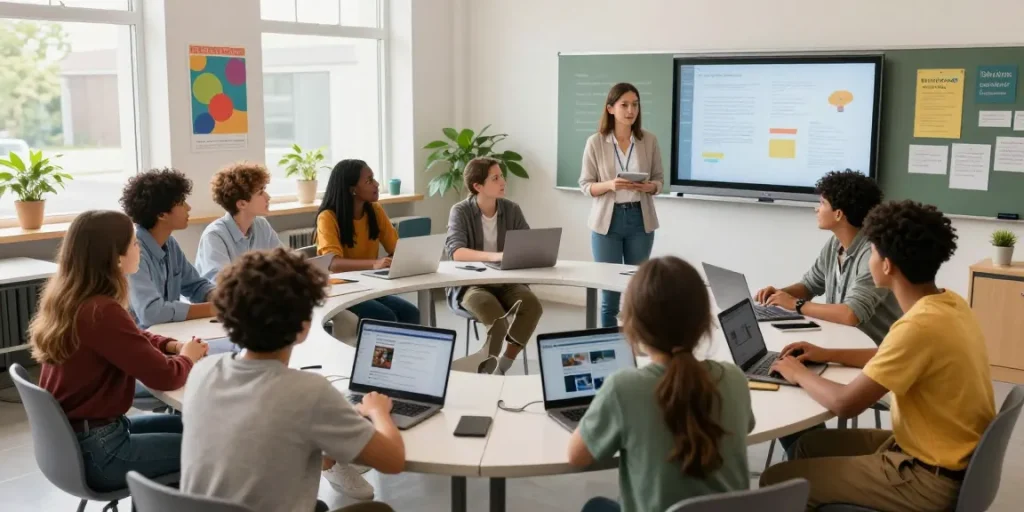
Collaborative learning highlights the importance of social interaction in the learning process. Working with peers stimulates critical thinking and exposes individuals to different perspectives. Group discussions, study groups, and collaborative projects not only improve comprehension but also foster a sense of community and support. This peer engagement can motivate individuals to pursue knowledge actively and create a rich learning environment.
Challenges in the Learning Process
Identifying Common Obstacles to Learning More
Despite the myriad benefits of learning more, various obstacles can hinder the process. Common challenges include time constraints, lack of motivation, and information overload. Additionally, many individuals struggle with identifying the best methods or resources for their unique learning preferences. Recognizing these barriers is the first step toward developing strategies that facilitate effective learning.
Addressing Misconceptions about Learning Techniques
Many misconceptions surround effective learning techniques, such as the belief that memorization is the best way to learn. In reality, understanding concepts and applying knowledge are far more impactful. Misconceptions can lead to ineffective study habits and frustration. Educators and learners alike must strive to challenge these myths and embrace a broader understanding of how knowledge is acquired.
Strategies to Overcome These Challenges
To overcome challenges in learning, individuals and organizations can implement various strategies. Setting clear, achievable goals can enhance motivation and focus. Incorporating breaks into study sessions, leveraging different learning formats, and creating supportive environments can all contribute to successful learning experiences. It’s also essential to cultivate a mindset that embraces challenges as opportunities for growth rather than obstacles.
Measuring Success in Learning More
Key Performance Indicators for Learning Outcomes
Measuring the effectiveness of learning initiatives is crucial for continuous improvement. Key performance indicators (KPIs) can include assessment scores, rate of skill acquisition, and learner satisfaction levels. These metrics help educators and learners evaluate progress and identify areas for enhancement, ensuring that learning experiences are impactful and tailored to meet objectives effectively.
Feedback Mechanisms for Continuous Improvement
Feedback plays a vital role in the learning process. Constructive feedback from peers, mentors, and assessments allows learners to understand their strengths and areas for improvement. Creating feedback loops encourages a culture of continuous learning and adaptation, driving better outcomes and fostering an environment where individuals feel valued and motivated to improve.
Real-World Examples of Successful Learning Initiatives
Numerous organizations have successfully implemented innovative learning initiatives that showcase the power of continuous learning. For instance, tech giants like Google and Microsoft have established programs focused on employee development through workshops and online courses. Educational institutions are also adapting, with hybrid models combining online and in-person learning to cater to diverse learner needs and enhance educational outcomes.
Future Trends in Learning More for 2026 and Beyond
Emerging Technologies Shaping Learning Landscapes
The future of learning is set to be shaped by emerging technologies such as virtual reality (VR), augmented reality (AR), and artificial intelligence (AI). These technologies promise to create immersive and interactive learning experiences that can cater to individual learning styles and paces. For instance, VR could allow learners to practice skills in simulated environments, providing safe spaces for experimentation and learning.
Predictions for Adult Learning and Lifelong Education
As the workforce evolves, the trend towards lifelong education will continue to grow. Many adults will seek out flexible learning options that can fit into their busy lives. This demand will drive the development of micro-credentialing and stackable qualifications, allowing learners to accumulate skills incrementally while remaining employed. Institutions will need to adapt to provide relevant and accessible learning pathways that cater to adult learners.
The Role of AI in Personalized Learning Experiences
Artificial intelligence is poised to revolutionize personalized learning experiences. By analyzing learner data, AI can tailor educational content, recommend resources, and create individualized learning pathways. This enables educators to provide targeted support that aligns with each learner’s unique needs, ultimately enhancing engagement and outcomes in the educational process.
What are the best platforms to learn more effectively?
Platforms such as Coursera, Udacity, and LinkedIn Learning are well-regarded for their extensive course offerings and flexibility. Users can access a range of subjects from industry experts, allowing for the acquisition of in-demand skills that can lead to career advancement. The emphasis on interactive learning also enhances the retention of information.
How can I motivate myself to learn more regularly?
Setting specific goals, establishing a regular study schedule, and seeking accountability from peers can significantly enhance motivation. Additionally, connecting learning objectives to personal interests and career ambitions will make the process more engaging and rewarding. Exploring new subjects periodically can also reignite curiosity and passion for learning.
What innovative strategies are being used in education?
Innovative educational strategies include flipped classrooms, where students engage with material at home and apply knowledge in class discussions. Adaptive learning platforms that adjust to learners’ progress are becoming increasingly popular, as they provide customized learning experiences that cater to individual needs.
How does collaborative learning enhance understanding?
Collaborative learning encourages dialogue and shared problem-solving, enabling learners to articulate their thoughts and learn from one another. This method enhances understanding through peer teaching, where explaining concepts to others solidifies one’s own knowledge and clarifies misunderstandings.
What role does technology play in learning more?
Technology serves as a facilitator of learning by providing diverse resources, fostering collaboration, and enabling accessibility. Online platforms and digital tools support varied learning styles and preferences, allowing learners to explore subjects at their own pace. As technology progresses, its role in education will only expand, enhancing the possibilities for lifelong learning.