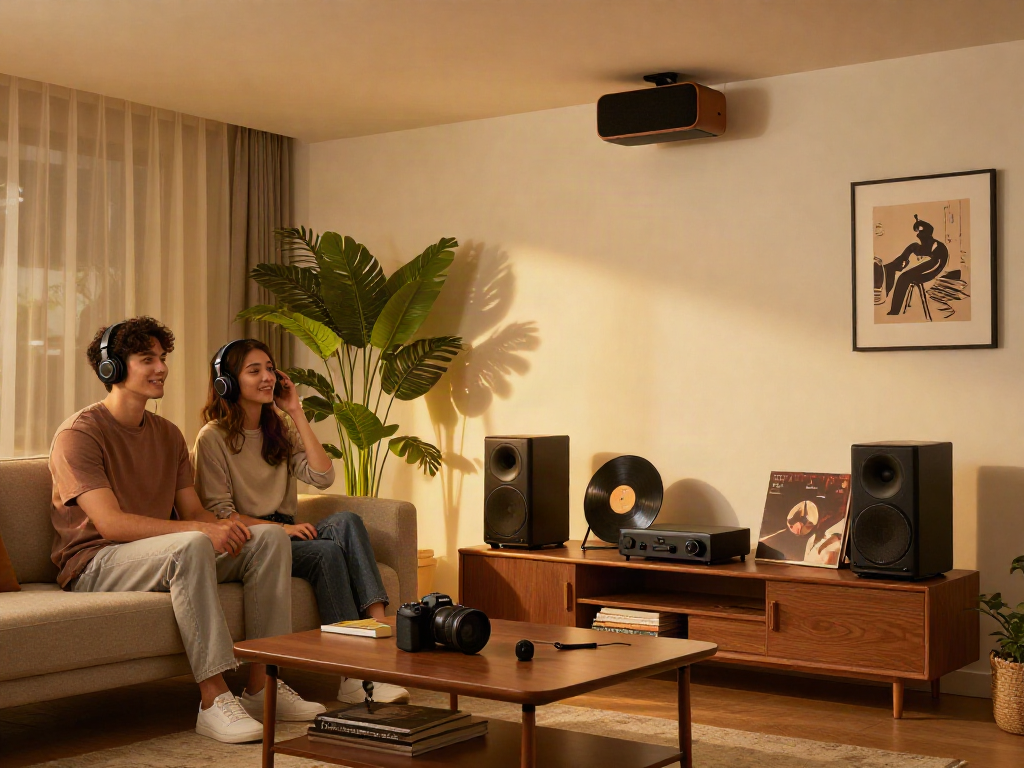
Understanding Ceiling Speakers: The Basics
In the world of audio, ceiling speakers, or اسپیکر سقفی, have emerged as a popular choice for both residential and commercial spaces. These innovative devices are designed to blend seamlessly into the architecture of a room while providing high-quality sound. Unlike traditional speakers, ceiling speakers are installed directly into the ceiling, allowing for unobtrusive audio distribution that enhances the aesthetic appeal of any environment. As we delve into the functions and benefits of ceiling speakers, it’s important to explore the various factors that make them a suitable choice for different settings.
What is a Ceiling Speaker?
A ceiling speaker is a type of speaker that is mounted flush with the ceiling, providing an integrated look without sacrificing sound quality. They are particularly beneficial in spaces where floor or wall-mounted speakers may not be practical, such as in rooms with limited space or in commercial establishments where aesthetics are paramount. These speakers typically consist of a frame, a driver, and a grille that can be painted to match the ceiling color, making them virtually invisible.
Benefits of Using Ceiling Speakers
- Space Efficiency: Ideal for small areas where floor space is at a premium.
- Aesthetic Appeal: Provides a clean look without visible wires or bulky speaker boxes.
- Even Sound Distribution: Allows for sound to be distributed evenly throughout a room.
- Integration with Home Technology: Can be connected to multi-zone audio systems, providing seamless integration with smart home devices.
How Ceiling Speakers Work
Ceiling speakers operate similarly to traditional speakers but are designed to deliver sound from above. They connect to an audio source, such as a receiver or amplifier, using speaker wire. Once installed, sound is emitted from the speaker cones through the ceiling, allowing it to radiate down into the room. The use of high-quality drivers within these speakers ensures that audio clarity and depth are maintained, even in an overhead installation.
Choosing the Right Ceiling Speaker for Your Space
When selecting the appropriate اسپیکر سقفی for your environment, several factors should be taken into account to ensure optimal performance.
Factors to Consider When Selecting اسپیکر سقفی
- Room Size: Smaller rooms may require fewer speakers than larger areas to achieve balanced sound.
- Speaker Power Rating: Consider speakers that can handle the wattage output of your audio system.
- Impedance: Ensure compatibility with your amplifier to avoid damage.
- Sound Quality: Look for frequency response specifications to determine the acoustic capabilities of the speakers.
- Design and Aesthetics: Choose styles that complement your interior design for a seamless look.
Top Brands in Ceiling Speakers
Several brands have established themselves as leaders in the ceiling speaker market. Brands such as Bose, Klipsch, and Polk Audio are renowned for their high-quality audio solutions, offering a range of options to suit various preferences and budgets. Additionally, brands like Sonos are gaining attention for their innovative smart features and seamless integration capabilities.
Installation Tips for Optimal Sound
Proper installation is crucial for achieving the best sound quality from ceiling speakers. It's recommended to position speakers based on the listening area, typically placed at an equal distance apart and aimed towards the primary listening position. Utilizing a stud finder to locate ceiling joists can also help ensure secure installation.
Common Challenges and Misconceptions
Despite the increasing popularity of ceiling speakers, there are several common challenges and misconceptions that may deter potential buyers.
Myths About Sound Quality of Ceiling Speakers
One prevalent myth is that ceiling speakers cannot deliver high-quality sound comparable to traditional floor-standing speakers. However, advancements in technology have allowed ceiling speakers to provide exceptional audio clarity and depth, making them suitable for music lovers and home theater enthusiasts alike.
Installation Mistakes to Avoid
- Incorrect Placement: Failing to position speakers appropriately can result in uneven sound distribution.
- Ignoring Wiring Requirements: Not considering the distance and gauge of speaker wire can lead to compromised audio quality.
- Overlooking Insulation: Installing speakers without considering insulation barriers can affect sound performance.
Understanding Impedance and Compatibility
It's vital to understand impedance ratings when selecting ceiling speakers, as mismatched impedance can lead to audio distortion or damage to your system. Ensure that the ceiling speakers’ impedance aligns with that of your amplifier to guarantee optimal performance.
Best Practices for Installation and Use
When it comes to maximizing the effectiveness of your ceiling speakers, following best practices for installation and use is essential.
Recommended Setup for Sound Distribution
For optimal sound distribution, a common recommendation is to install ceiling speakers in pairs, spaced evenly to provide a cohesive audio experience. In larger rooms, multiple pairs may be necessary to ensure even coverage.
Maintenance Tips for Longevity
Regular maintenance of ceiling speakers can extend their lifespan. Dusting the grilles and checking connections periodically is essential to maintain sound quality. Additionally, ensuring that no moisture exposure occurs can prevent damage.
Positioning for Acoustic Optimization
Positioning is key to achieving great sound. Aim for a distance of around 8 to 10 feet (2.4 to 3 meters) apart between speakers, ensuring they’re not located too close to walls or corners, as this can affect acoustics.
Future Trends in Ceiling Speaker Technology
As we look towards the future, the technology behind ceiling speakers continues to evolve, offering exciting innovations that enhance user experience.
Innovative Features to Look for in 2026
In 2026, expect to see ceiling speakers incorporating wireless capabilities, improving flexibility during installation. Features like built-in amplifiers and improved sound processing technology will also become more common, offering enhanced sound quality.
Integration with Smart Home Systems
Another trend is the integration of ceiling speakers with smart home systems. This allows for seamless control through voice commands and mobile apps, making it easier to manage audio experiences throughout the home.
Predictions for the Evolution of Home Audio
As consumer preferences shift towards immersive audio experiences, we can anticipate a rise in surround sound configurations that utilize ceiling speakers. This evolution will cater to those seeking cinematic experiences at home.
FAQs about Ceiling Speakers
Can I use ceiling speakers in outdoor settings?
While ceiling speakers are primarily designed for indoor use, there are outdoor-rated models available that can withstand the elements. Always ensure proper weatherproofing for outdoor installations.
How do ceiling speakers compare to traditional speakers?
Ceiling speakers offer a more discreet option compared to traditional speakers, allowing for better space utilization while still delivering quality sound. However, traditional speakers may provide superior sound quality in some cases due to larger driver capabilities.
What is the ideal placement for ceiling speakers?
The ideal placement varies based on room dimensions, but generally, they should be positioned evenly across the room, approximately 8-10 feet apart for optimal listening coverage.
Are ceiling speakers worth the investment?
Yes, ceiling speakers are worth the investment for those looking to maintain a clean aesthetic while enhancing audio experiences, particularly in home theaters or multi-room audio setups.
What are the best brands for ceiling speakers in 2026?
In 2026, leading brands like Bose, Sonos, and Klipsch are expected to dominate the ceiling speaker market, offering cutting-edge technology and outstanding sound performance to meet evolving consumer demands.