Understanding Attractiveness Tests
The concept of attractiveness tests has gained significant traction in recent years, particularly with advancements in artificial intelligence (AI) and machine learning. These tests offer individuals a glimpse into how they are perceived based on various facial features and characteristics. By utilizing algorithms designed to analyze facial symmetry, proportions, and other attributes, these tools aim to provide a score that reflects someone's attractiveness. When exploring options, attractiveness test platforms can deliver comprehensive insights on personal beauty assessments, helping users understand their appeal.
What is an attractiveness test?
At its core, an attractiveness test is a digital tool that analyzes an individual's facial features against established beauty metrics. These metrics often include elements such as facial symmetry, the golden ratio, and other aesthetic principles that have been studied throughout history. Users typically upload a photograph, and the test evaluates their features based on these criteria. The result is usually represented in a scoring system, such as a numerical rating or a descriptive analysis of the attributes measured.
The science behind beauty perception
The perception of beauty is not merely subjective; it is influenced by a myriad of psychological and sociocultural factors. Research in psychology indicates that certain features—such as symmetry, clear skin, and harmonious proportions—are universally found attractive across different cultures. For instance, studies have shown that faces displaying bilateral symmetry tend to be rated more attractive, as symmetry is often associated with health and genetic fitness. Furthermore, the golden ratio, which is a mathematical ratio commonly found in nature and classical art, has been used in attractiveness tests to gauge facial proportions.
How technology influences attractiveness evaluation
Technology has revolutionized the way attractiveness is evaluated. With the aid of AI and machine learning, these tests can process and analyze countless images in seconds. This technology not only improves accuracy but also allows for personalization, as users can receive feedback tailored to their specific features. Additionally, advances in facial recognition technology have enabled more nuanced evaluations by mapping intricate details on the face, providing a more comprehensive analysis than traditional methods.
The Benefits of Using an Attractiveness Test
Engaging with an attractiveness test can offer various benefits that extend beyond mere curiosity about one's appearance. For many individuals, these tests serve as valuable tools for self-improvement and understanding societal beauty standards.
Gaining confidence through AI analysis
One of the most significant advantages of taking an attractiveness test is the boost in self-confidence that can arise from receiving constructive feedback. Understanding how one's features align with recognized beauty standards can help individuals embrace their unique attributes. Rather than fostering insecurity, these tests can encourage acceptance of one's appearance while providing actionable insights for enhancement.
Understanding beauty standards and personal impact
Beauty standards are not static; they evolve with cultural shifts and societal trends. By participating in attractiveness tests, individuals can gain insight into current beauty norms and how they fit within them. This awareness can empower users to appreciate their uniqueness while being cognizant of the broader societal influences on beauty. It can also serve as a conversation starter about the perception of beauty in various contexts, from media representation to personal relationships.
Improving self-image through constructive feedback
Attractiveness tests often provide detailed feedback regarding specific facial features, helping individuals understand which areas are perceived as attractive and which may need enhancement. This constructive feedback can motivate users to improve their self-image actively. For some, this might mean exploring new hairstyles or makeup techniques; for others, it may involve embracing their natural appearance with greater confidence and pride.
How to Take an Attractiveness Test Effectively
While attractiveness tests can be enlightening, there are specific steps individuals can take to maximize the benefits of the experience.
Steps to prepare for your attractiveness test
Preparation is key to obtaining accurate results from an attractiveness test. Users should choose a well-lit space to take their pictures and ensure their facial features are clear and unobstructed. Avoiding heavy makeup or filters can lead to a more authentic evaluation, as the test will analyze natural features.
What to expect during the test process
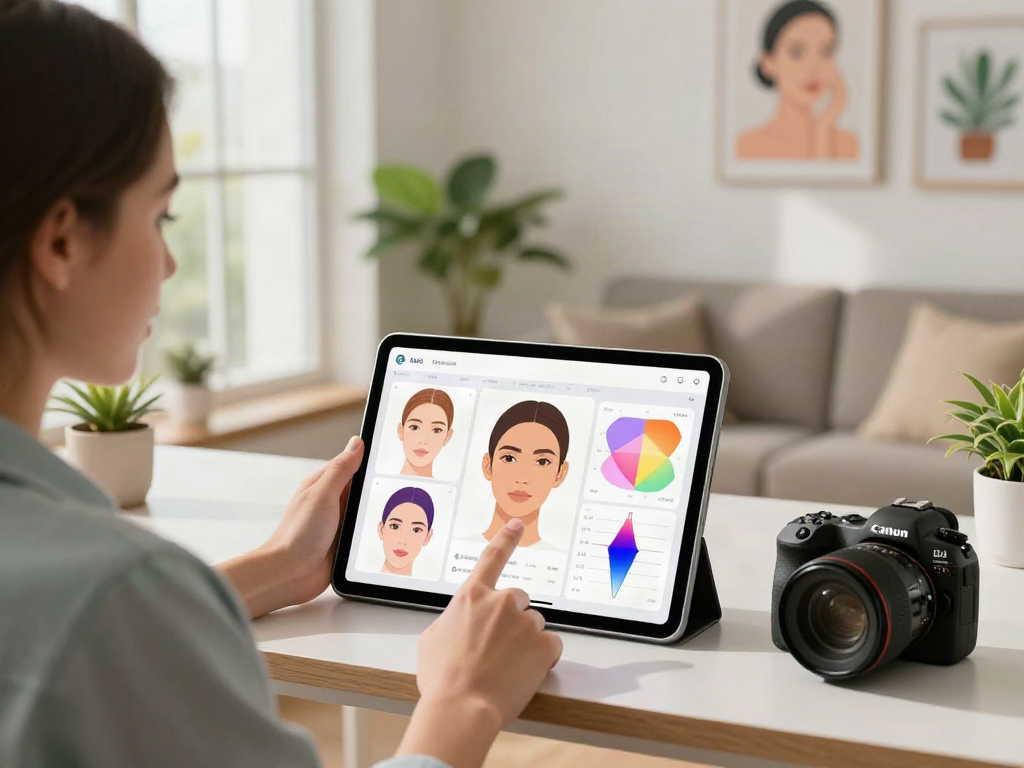
When undergoing an attractiveness test, users can typically expect a straightforward process. After uploading a photo, the AI algorithm will analyze the image based on its pre-programmed metrics, usually taking only a few seconds to deliver results. Users may receive a score alongside an explanation of the metrics analyzed, which can include details about facial symmetry, proportions, and other factors impacting their score.
Tips for interpreting your results accurately
Understanding the results of an attractiveness test requires a balanced perspective. Users should consider the numerical score as one aspect of their overall attractiveness rather than a definitive measure of their worth. Each person has unique qualities that contribute to their beauty, and the results can serve as a tool for self-reflection rather than a strict judgment.
Common Misconceptions About Attractiveness Tests
Despite their growing popularity, many misconceptions surround the validity and implications of attractiveness tests.
Debunking the myths around beauty AI
One prevalent myth is that attractiveness tests rely solely on objective data, dismissing the subjective nature of beauty. While these tools utilize established metrics, perceptions of beauty are deeply personal and culturally influenced. Therefore, it’s crucial to approach the results with an understanding of their limitations and the subjective nature of attractiveness.
Clarifying the role of personal bias
Personal bias plays a significant role in how individuals perceive their results. Users may interpret feedback through the lens of their insecurities or societal pressures, leading to skewed interpretations. Acknowledging that these tests are designed to provide a general comparison can help mitigate feelings of inadequacy.
Understanding the limitations of attractiveness scoring
Although attractiveness tests can provide intriguing insights, they are not infallible. These tests may not account for individual personality traits, charm, or other qualities that contribute to overall attractiveness. Additionally, results can vary depending on the algorithm and the features prioritized by each test, highlighting the importance of not fixating on a single score.
The Future of Attractiveness Testing Technology
The landscape of attractiveness testing technology is rapidly evolving, with innovations poised to change how we perceive beauty assessments.
Innovations shaping attractiveness tests in 2026
As technology advances, future attractiveness tests are likely to integrate more sophisticated AI algorithms that consider not only static features but also dynamic aspects like facial expressions and emotional cues. Enhanced data sets will allow these tests to analyze a broader spectrum of beauty standards, catering to diverse populations and cultural backgrounds.
The potential for personalized beauty recommendations
Future attractiveness tests may evolve to offer personalized beauty recommendations based on individual results. For instance, if a user scores low on specific metrics, the test could suggest tailored makeup styles or hairstyles that enhance their features, making the process of improvement more engaging and tailored.
Trends to watch in beauty tech and self-assessment
As the beauty tech industry grows, trends such as augmented reality (AR) and virtual reality (VR) will likely play a pivotal role in enhancing the attractiveness testing experience. Imagine being able to visualize potential changes to your appearance in real time, empowering users to make informed choices about their beauty routines.
What factors influence attractiveness tests results?
Several factors contribute to the results of attractiveness tests. These include facial symmetry, skin clarity, and proportions in relation to defined beauty standards. Additionally, context plays a role; lighting conditions, camera angles, and even facial expressions can significantly impact the evaluation.
Are attractiveness tests reliable and valid?
While many attractiveness tests use established metrics, their reliability can vary based on the algorithm and criteria used. Tests that heavily rely on subjective data may produce less consistent results, which is why users should treat scores as insights rather than definitive evaluations.
How can I improve my attractiveness score?
Improving an attractiveness score often involves focusing on skin health, grooming, and understanding personalized beauty techniques that enhance one’s unique features. Users may also benefit from engaging with beauty professionals who can provide tailored advice based on individual results.
Can these tests help with self-esteem issues?
For some, attractiveness tests can serve as a gateway to enhancing self-esteem by providing a clearer understanding of how different features are perceived. However, users should approach the results with caution, ensuring they do not allow scores to define their self-worth or value.
What advanced technologies are being integrated into attractiveness tests?
Advanced technologies such as machine learning and facial recognition are increasingly being integrated into attractiveness tests. These innovations enable more nuanced evaluations and personalized recommendations, enhancing the overall user experience.