Understanding Facial Age Estimation
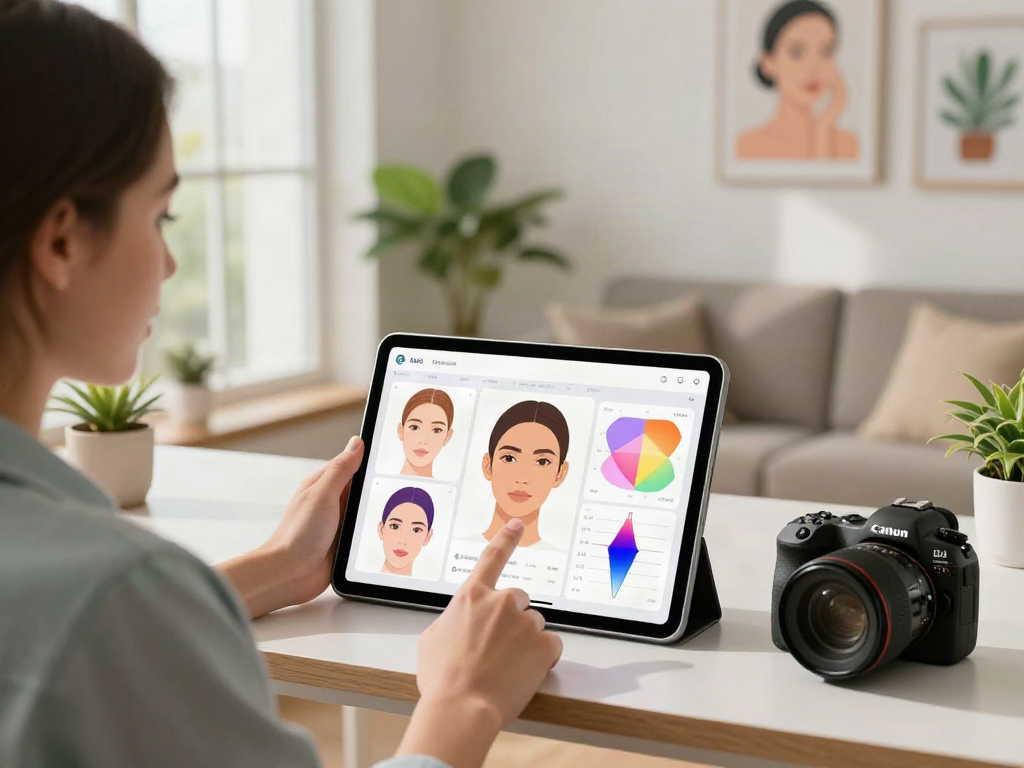
In today's digital age, the quest to determine one's perceived age has sparked significant interest. Leveraging cutting-edge technologies, facial age estimation applications have emerged, allowing users to gain insights into how old they look based on their facial features. These tools not only provide a fun and engaging experience but also delve into the science of aging, offering a glimpse into the intersection of technology and human perception. When exploring options, how old do i look is a prominent platform that exemplifies these advancements, enabling users to upload their photos for instant analysis.
What is Facial Age Estimation?
Facial age estimation refers to the process of analyzing facial features to estimate an individual's biological age. This technology utilizes algorithms and artificial intelligence (AI) to evaluate skin texture, wrinkle formation, and other age-related indicators. By processing these visual cues, the algorithms can predict an age that may differ from the individual's chronological age. Essentially, the goal is to bridge the gap between biological and perceived age, often revealing interesting insights about one's appearance.
Key Technologies Behind Age Prediction
The backbone of facial age estimation technologies is a combination of machine learning, computer vision, and neural networks. These systems are trained on vast datasets of images, allowing them to recognize patterns associated with different age groups. Key technologies involved include:
- Convolutional Neural Networks (CNNs): These are deep learning models specifically designed for image processing tasks. CNNs excel at extracting features from images, making them ideal for recognizing age-related characteristics.
- Facial Recognition Software: This technology identifies and categorizes facial landmarks, helping the AI to focus on critical aspects such as wrinkles, skin tone, and eye condition that correlate with age.
- Aging Models: Researchers utilize datasets that highlight aging patterns across diverse demographics, enabling models to produce more accurate and culturally sensitive age predictions.
The Science of Aging and Perception
Understanding how aging is perceived goes beyond biological markers. Psychological factors play a significant role in how both individuals and society view aging. Factors such as cultural standards, media representation, and personal experiences contribute to this perception. For instance, the same facial features may be interpreted differently in various cultural contexts, impacting how old someone is perceived to look. Moreover, studies show that appearance can affect social interactions and self-esteem, emphasizing the importance of understanding age perception.
The Benefits of Knowing How Old You Look
While the technology behind age estimation may seem purely for entertainment, it offers several practical benefits that can influence various aspects of life. Understanding how old you appear can have profound implications on mental health, social interactions, and personal grooming choices.
Boosting Confidence Through AI Insights
Gaining insight into how old you look can significantly impact self-confidence. For many, the desire to look youthful is prevalent, and discovering that one appears younger than their actual age can boost morale. This self-assurance can extend to social settings, where confidence plays a crucial role in interpersonal interactions. As individuals embrace AI insights, they may feel empowered to embrace their appearance and use it to their advantage.
Social Implications of Age Perception
Age perception can greatly influence social dynamics. For example, younger-looking individuals may benefit in professional environments, potentially leading to more opportunities. Conversely, those who appear older might face challenges or biases. Understanding these dynamics helps individuals navigate social scenarios with awareness, fostering better relationships and networking opportunities.
How Age Estimation Can Guide Skincare Choices
Knowing how old you look can serve as a valuable tool in making informed skincare decisions. If a user discovers they appear older than they are, they may choose to invest in skincare products or treatments that focus on anti-aging. Conversely, if one appears youthful, they might prioritize maintaining their skin health rather than seeking corrective measures. This tailored approach can enhance personal care routines, leading to healthier skin outcomes.
Challenges in Age Estimation Technology
Despite the growing popularity of facial age estimation applications, several challenges remain. These hurdles must be addressed to improve their accuracy and user experience.
Accuracy of AI Predictions and User Experience
The accuracy of age predictions varies significantly across different applications and populations. Factors such as lighting conditions, photo quality, and even genetic diversity can skew results. Users often have varied expectations regarding the predictions, and discrepancies between perceived age and the AI's estimate may lead to disappointment or confusion.
Ethical Considerations of Age Recognition
The increasing reliance on AI for age estimation raises ethical questions about privacy and consent. Users may inadvertently share personal information with these apps, and without proper transparency, concerns about data security and potential misuse arise. Establishing robust ethical guidelines is paramount for fostering trust in this technology.
Common Misconceptions About Facial Analysis
Many users may believe that facial analysis can provide definitive answers regarding their age. In reality, these tools offer estimations that should be taken lightly. Misunderstandings about the science behind the applications can lead to unrealistic expectations and disappointment, making it vital for users to approach results with a critical mindset.
Best Practices for Using Age Estimation Apps
To maximize the benefits of facial age estimation applications, users should follow best practices that enhance accuracy and ensure their experience is enjoyable and insightful.
Choosing a Reliable App for Accurate Results
Not all age estimation applications are created equal. It is crucial to select an app that utilizes advanced algorithms and has positive user reviews. Researching the background of the app, including its development team and technology, can guide users toward more reliable options.
Interpreting Age Results Effectively
Users should approach the age results with a balanced perspective. Instead of viewing the estimate as a concrete determination, consider it as a conversation starter about beauty, aging, or even personal care. This mindset can lead to healthier discussions around age perception and reinforce the idea that age is just a number.
Combining AI Insights with Personal Care Routines
Using the data provided by age estimation tools can help refine skincare routines. For example, if the results suggest an older appearance, individuals may incorporate specific products aimed at addressing signs of aging. Understanding one's skin and how it changes can lead to more informed choices and improved results.
Future Trends in Facial Age Estimation
As technology continues to evolve, the future of facial age estimation holds exciting possibilities that could reshape our understanding of aging and beauty standards.
Innovations on the Horizon for 2026
Experts predict that by 2026, the field of facial age estimation will incorporate even more sophisticated AI models that take into account not just facial features, but also lifestyle factors such as diet, exercise, and skincare habits. These innovations could provide a holistic view of aging, leading to deeper insights into how individuals can maintain their youthful appearance.
The Role of AI in Beauty Standards
AI is set to play a pivotal role in defining future beauty standards. By accurately identifying age-related features in diverse populations, AI has the potential to challenge traditional beauty norms that often prioritize youthfulness. As more individuals recognize that age encompasses a broad spectrum, perceptions around beauty may expand, leading to a more inclusive understanding of aging.
Predictions for the Evolution of Age Estimation Technologies
As the demand for personalized experiences grows, the future of age estimation technologies will likely include augmented reality (AR) and virtual reality (VR) features. This integration could allow users to see real-time estimations and even experiment with various cosmetic products or aging treatments virtually. Such advancements will enhance user engagement while redefining how age is perceived in the digital space.
What are the limitations of age estimation technology?
Despite the advancements in facial age estimation, limitations exist, particularly concerning cultural biases in image training datasets, the varying interpretations of age across cultures, and the reliance on algorithmic accuracy. These factors can lead to inaccuracies and unintended consequences.
How is age perception influenced by culture?
Age perception is significantly affected by cultural beliefs and ideals. Different societies celebrate aging in various ways, either revering the wisdom of older generations or prioritizing youthfulness. Understanding these cultural nuances is critical in developing more inclusive age estimation technologies.
What factors affect the accuracy of these age prediction apps?
The accuracy of age prediction apps hinges on several variables, including image quality, lighting, and the diversity of the training data used to develop the algorithms. Additionally, individual differences such as genetics and lifestyle choices further complicate the quest for precision in age estimation.
Are there privacy concerns with using age estimation apps?
Privacy is a critical consideration when using age estimation apps. Users must be aware of the data collection processes and how their images are stored or shared. Robust privacy policies and user consent are essential to ensure a secure experience.
Can these apps help improve skincare routines?
Absolutely. Age estimation applications can serve as a tool to assess one’s appearance over time and guide skincare regimens. By identifying perceived age, individuals can tailor their skincare products and treatments to suit their unique needs, ultimately enhancing their skin health and appearance.